
Callery Pear Fruit Edible
- By Henry More
- July 13, 2026
Is Callery Pear Fruit Edible?
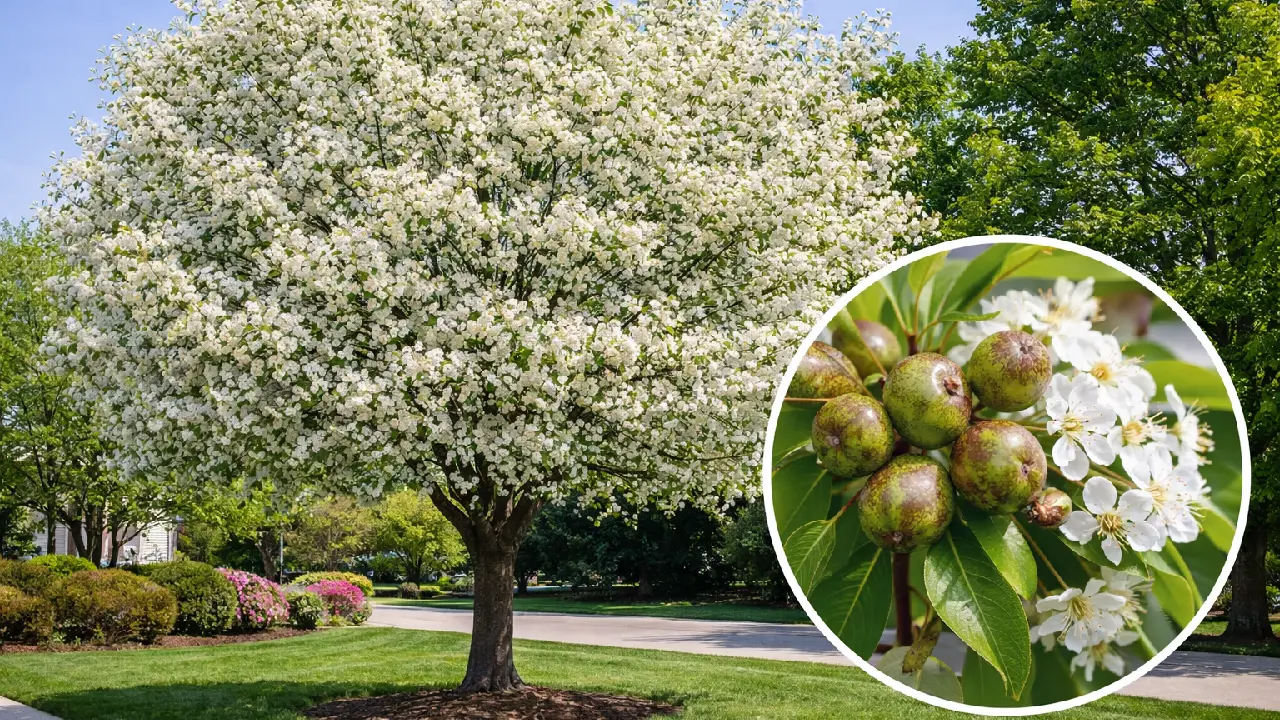
So, can you actually eat the fruit from a Callery pear tree, also known as the Bradford pear? The short answer is: technically, yes, but it’s probably not something you’ll want to do often.
These trees, which are super common and often planted for their spring blossoms and fall color, do produce fruit. They’re small, hard, and generally not very appealing. Unlike their cultivated cousins, like the sweet and juicy Asian pears, Callery pears are known for being quite gritty and not tasting very good. Most people find them to be bitter or bland, and definitely not worth the effort of picking and preparing.
Think of it this way: while many wild plants produce berries or fruits, not all of them are meant for human consumption. Some are just too unpalatable, and others can even cause stomach upset. The Callery pear falls into the first category – it’s edible, but not exactly delicious. If you’re curious, you could try one, but don’t expect a treat. It’s always a good idea to be cautious when trying wild fruits, and if you’re unsure about any plant, it’s best to avoid eating it altogether. For a truly enjoyable pear experience, you’re much better off sticking to the varieties you find at the grocery store, like those lovely Asian pears.
What Is Callery Pear Fruit?
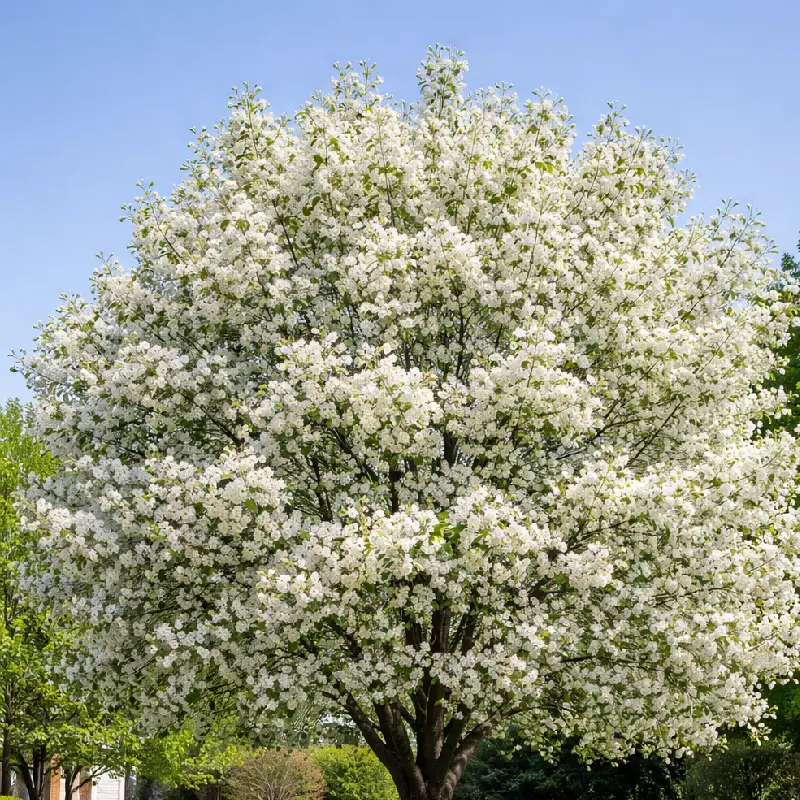
So, what exactly are we talking about when we say “Callery pear fruit”? These little guys come from the Callery pear tree, also known as the Bradford pear, which you might have seen around. They’re not your typical grocery store pear, that’s for sure. These trees are originally from Asia, but they’ve spread pretty far and wide. The fruit itself is usually small, kind of round, and often has a brownish or bronze color when it’s ready. You’ll often find them hanging in clusters on the branches. Unlike the pears you’re used to that get soft and mushy, Callery pears tend to stay pretty firm, even after you pick them. They ripen right on the tree, so once they’re harvested, they’re pretty much good to go. They’re part of the same family as the more familiar Asian pears, which also have that signature crispness. You know, the ones that are sometimes called Nashi or apple pears? Callery pears share that characteristic of staying crunchy, which is a big difference from European pears that soften up nicely. The skin can feel a bit textured, sometimes a little rough, and you’ll notice these small dots, called lenticels, scattered across the surface. Inside, the flesh is typically white or off-white, juicy, and has a texture that’s a bit grainy. In the middle, there’s a core with a few small, dark seeds. They do have a smell, usually a bit sweet with some floral hints. It’s interesting how they’re related to Asian pears, which have a similar firm texture and are appreciated for their subtle sweetness.
Callery Pear Fruit Edible or Toxic?
So, can you actually eat Callery pear fruit, or is it a no-go? The short answer is, while technically edible, it’s generally not recommended for consumption. These fruits are known for being quite hard and often have a bitter or unpleasant taste. Think of them more as a wildlife snack than a human delicacy.
There aren’t really any specific toxins that make Callery pears dangerous in small amounts, but they aren’t cultivated for eating like their cousins, the European or Asian pears. The main issue is palatability and texture. They tend to be gritty, and the flavor isn’t usually something people crave. If you’re curious and decide to try one, be prepared for a less-than-gourmet experience. It’s a bit like eating a very hard, slightly sour apple that hasn’t quite ripened. Some sources mention that certain cacti, like prickly pear, can have issues with tiny spines called glochids that can irritate your mouth, but Callery pears don’t have that specific problem. The main hurdle is just that they don’t taste very good and aren’t very pleasant to eat.
If you’re looking for edible fruits from the pear family, you’re much better off sticking to cultivated varieties. For instance, Asian pears are known for their crisp texture and sweet flavor, making them a popular choice for both raw and cooked dishes. Callery pears, on the other hand, are mostly known for their invasive nature and their strong, unpleasant odor when the fruit falls and decomposes.
What Does Callery Pear Fruit Taste Like?
So, what’s the verdict on the taste of Callery pear fruit? Honestly, it’s a bit of a mixed bag, and most people don’t find it particularly appealing. Unlike the sweet, juicy Asian pears you might be used to, Callery pears are generally described as having a rather bland and sometimes even unpleasant flavor.
Think of it this way:
- Texture: They tend to be gritty and dry, not the crisp, refreshing bite you’d hope for in a pear. Some describe it as mealy.
- Flavor: The taste is often very mild, bordering on flavorless. If there is a taste, it can be slightly bitter or astringent, which isn’t exactly what you want in a fruit.
- Aroma: Don’t expect a sweet, fruity scent. They’re known for a rather pungent, fishy odor, especially when they start to break down. This is a big reason why many people avoid eating them.
While some sources mention that very ripe Callery pears might be slightly sweeter, the overwhelming consensus is that they aren’t a culinary delight. They’re definitely not something you’d pick for a fruit salad or a snack on their own. If you’re looking for a pear with a good taste and texture, you’d be much better off with varieties like the Asian pear or a standard European pear.
How to Use Callery Pear Fruit
So, you’ve got some Callery pear fruit and you’re wondering what to do with them? They’re not exactly like the pears you find at the grocery store, but they can be used in a few ways. Think of them as a bit more of a project fruit.
Cooking Methods
These little pears aren’t usually eaten raw because they can be pretty hard and not super flavorful on their own. Cooking is where they start to shine, or at least become more palatable. They tend to soften up and develop a sweeter taste when you apply some heat.
- Stewing or Poaching: This is a good way to break down their firm texture. You can simmer them in water, juice, or a light syrup with some spices like cinnamon or star anise. They’ll become much softer and absorb the flavors.
- Baking: Chopped up, they can be added to muffins, quick breads, or fruit crisps. Just like with stewing, baking helps to soften them and bring out any sweetness.
- Jams and Jellies: If you’re feeling ambitious, you can cook them down with sugar and pectin to make preserves. The pectin will help thicken it up, and the cooking process will make them easier to mash.
- Sauces: Simmering them down can create a base for a sauce, especially for richer meats like pork or duck. You might need to add a sweetener and some spices to get the flavor just right.
Simple Prep Tips
Before you start cooking, there are a few things to keep in mind to make the process smoother.
- Wash Them Well: Always give your Callery pears a good rinse under cool water. You never know what might be on the skin.
- Peel if Desired: The skin can be a bit tough, so peeling them is often a good idea, especially if you’re aiming for a softer texture in your final dish. A vegetable peeler usually does the trick.
- Core and Chop: Cut the pears in half or quarters, then use a small spoon or melon baller to scoop out the core and seeds. Then, chop them into the size pieces your recipe calls for.
- Taste as You Go: Since the flavor can be mild, it’s a good idea to taste a small cooked piece as you’re preparing your dish. This helps you figure out if you need to add more sugar, spices, or maybe a squeeze of lemon juice to brighten things up.
Nutritional Value
So, what’s actually in a Callery pear fruit when it comes to nutrition? It’s not exactly a superfood powerhouse, but it does offer some decent stuff, especially if you’re looking for a low-calorie snack. Think of it as a bit of a wild card.
Here’s a general breakdown of what you might find in a typical serving, though keep in mind this can vary:
- Calories: Generally pretty low, often around 40 calories per serving.
- Carbohydrates: You’ll get some carbs, usually in the ballpark of 10 grams. This includes a good amount of fiber.
- Fiber: This is where Callery pears shine a bit. They can pack around 3.5 grams of fiber, which is pretty good for a small fruit. This is more than you’d find in many common fruits like apples or oranges.
- Protein and Fat: Don’t expect much here. Callery pears are very low in both protein and fat, usually less than a gram of each.
- Vitamins and Minerals: They do contain some essential minerals and vitamins. You might find decent amounts of magnesium, and smaller contributions of vitamin C, riboflavin (vitamin B2), and vitamin B6. There’s also a bit of calcium and potassium.
Compared to other fruits, Callery pears are often higher in fiber than apples and oranges. They also tend to have more magnesium than many common fruits. For instance, some cactus fruits, like nopal cladodes, are known for their high calcium content, far exceeding that of oranges or apples, and Callery pears might offer a similar benefit, contributing to bone health. While not as packed with nutrients as some exotic fruits, they offer a unique profile. For example, Rosemarie Pears are noted for containing minerals like iron and manganese, which are important for bodily functions [9110].
It’s important to remember that while these fruits offer some nutritional benefits, they aren’t a primary source for most of these nutrients. They’re more of a supplementary addition to a balanced diet.
Risks and Downsides of Eating Callery Pear Fruit
So, you’re thinking about munching on some Callery pear fruit? While they might look tempting, there are a few things to keep in mind before you go grabbing a handful. For starters, these fruits can be pretty gritty. That’s because they contain a lot of stone cells, which are basically tiny, hard bits of silica. It’s not exactly the most pleasant texture, and some people find it downright off-putting. It’s a bit like biting into a mouthful of sand, honestly.
Beyond the texture issue, there’s also the matter of digestion. Some folks report feeling a bit off after eating them, experiencing things like bloating or general stomach discomfort. It’s not a universal reaction, but it’s something to be aware of, especially if you have a sensitive system. Think of it as your body saying, “Whoa there, what was that?”
And here’s a practical point: Callery pears are known for being quite astringent, especially when they’re not fully ripe. That puckering sensation isn’t just a little tartness; it can be pretty intense and make the fruit hard to enjoy. You’d have to wait for them to get really soft, almost overripe, to mellow out that astringency. Even then, the flavor isn’t exactly a showstopper. It’s not like biting into a sweet, juicy apple. You might find yourself wondering if the effort is really worth it.
Also, remember that Callery pears are often grown in urban or roadside areas. This means they could potentially pick up pollutants from the environment. It’s always a good idea to be mindful of where your food comes from, and these pears aren’t typically cultivated with the same care as the pears you’d find at the grocery store. If you’re considering foraging, make sure you know the area well and avoid spots near heavy traffic or industrial sites. Proper pruning techniques are also important for fruit tree health, which indirectly affects fruit quality [7a5b].
Finally, while not strictly a “risk” in the sense of being poisonous, the overall eating experience might just be disappointing. They’re not known for their superior taste or texture compared to other pear varieties. So, while you can technically eat them, you might find yourself wishing you’d just grabbed a regular pear instead.
Is Callery Pear Fruit Safe for Pets or Wildlife?
When it comes to our furry friends and the critters that visit our yards, it’s natural to wonder if they can safely snack on fallen Callery pear fruits. The short answer is: it’s complicated, and generally, it’s best to err on the side of caution.
For pets like dogs and cats, Callery pear fruits aren’t typically considered outright poisonous. However, they aren’t exactly a recommended treat either. The main concern is the potential for digestive upset. These fruits can be quite fibrous and might not sit well in a pet’s stomach, leading to things like vomiting or diarrhea. Plus, if your pet happens to ingest a whole, unripe fruit, the seeds contain compounds that can break down into cyanide, though the amount is usually very small and unlikely to cause serious harm unless a large quantity is consumed. It’s always a good idea to keep fallen fruit picked up from areas where your pets roam.
Wildlife is a different story, and they often have a more robust digestive system than our domesticated companions. Birds, squirrels, and other small mammals might nibble on Callery pear fruits. While these fruits can provide a food source, especially during leaner times, they aren’t the most nutritious option available. Some sources suggest that the fruits can be somewhat bitter or astringent, and wildlife might only turn to them when other food is scarce. It’s also worth noting that Callery pears are invasive in many areas, and while wildlife might eat the fruit, the plant itself can outcompete native species, disrupting local ecosystems. So, while wildlife might eat them, it doesn’t necessarily mean they are a beneficial food source for them or the environment.
Better Alternatives to Callery Pear Fruit
While the idea of foraging for your own fruit is appealing, there are definitely tastier and more reliable options out there than the Callery pear. If you’re looking for a pear-like experience, or just something sweet and satisfying from a tree, you’ve got a whole orchard of better choices.
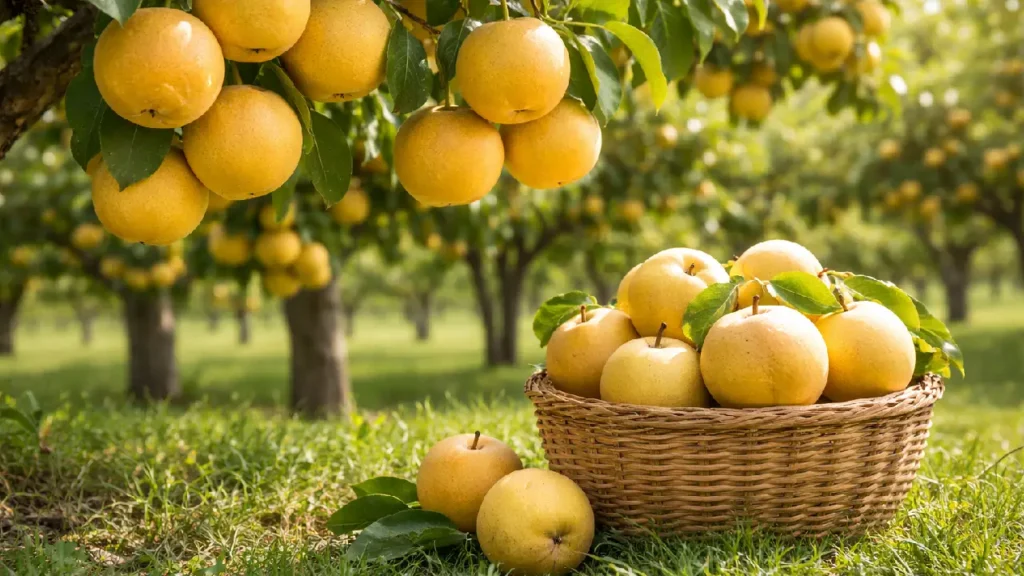
Think about Asian pears, for instance. These guys are super crisp, juicy, and have a lovely sweet flavor that’s not too acidic. They’re great eaten fresh, sliced into salads, or even baked into desserts. Unlike the Callery pear, Asian pears are cultivated specifically for eating and have a texture that holds up well. You can find them at most grocery stores and farmers’ markets, and they’re a pretty safe bet for a delicious snack. They’re also packed with Vitamin C and fiber, which is a nice bonus.
Another fantastic option is the common European pear. Varieties like Bartlett, Anjou, or Bosc offer a range of textures and flavors, from buttery soft to firm and slightly gritty. They’re incredibly versatile in the kitchen, perfect for poaching, baking, or just enjoying as is. Plus, they’re widely available and familiar, making them an easy go-to.
If you’re feeling a bit more adventurous and want something truly unique, consider quince. These aren’t usually eaten raw because they can be quite tart and astringent, but when cooked, they transform into something magical. They develop a beautiful floral aroma and a complex, sweet flavor, making them perfect for jams, jellies, and baked goods. It’s a bit more work, but the results are often worth it.
Here’s a quick rundown of some top pear alternatives:
- Asian Pears (Nashi): Crisp, juicy, sweet, and refreshing. Excellent raw, in salads, or stir-fries.
- European Pears (Bartlett, Anjou, Bosc, etc.): Wide range of textures and flavors. Great for eating fresh, cooking, and baking.
- Quince: Tart raw, but becomes fragrant and sweet when cooked. Ideal for preserves and baked desserts.
- Persimmons: Sweet, honey-like flavor when ripe (Fuyu variety is good for eating raw, Hachiya needs to be very soft). Unique texture and taste.
These fruits offer a more predictable and enjoyable eating experience compared to the Callery pear, which is often better left to the birds and the bees.
Frequently Asked Questions
Can you really eat the fruit from a Callery Pear tree?
Yes, the fruit from a Callery pear tree, also known as a Bradford pear, is technically edible. However, it’s not something most people eat. The fruit is small, often hard, and can have a bitter taste. It’s not usually as juicy or sweet as the pears you find in the grocery store.
What does Callery pear fruit taste like?
The taste of Callery pear fruit can be quite a surprise! Many describe it as bland, sometimes bitter, or even unpleasant. It’s not typically sweet and juicy like the pears we’re used to. Some say it has a slightly astringent quality, meaning it can make your mouth feel dry.
How should I prepare Callery pear fruit if I want to try it?
If you decide to try eating Callery pear fruit, it’s best to cook it first. Raw fruit can be quite hard and not very tasty. Cooking it, like baking or stewing, might help soften the texture and bring out any subtle sweetness. You might also want to remove the seeds before eating.
Are there any health risks associated with eating Callery pear fruit?
While Callery pear fruit isn’t known to be poisonous, there are some things to be aware of. The fruit can be difficult to digest for some people, potentially causing stomach upset. Also, like many wild fruits, it’s important to be sure you’ve correctly identified the fruit and that it hasn’t been sprayed with pesticides.
Why don’t people commonly eat Callery pears?
Callery pears are mostly grown for their ornamental value, like their spring blossoms and fall color. The fruit itself is small, often hard, and doesn’t have a very appealing flavor compared to cultivated pear varieties. Plus, these trees can be invasive, meaning they spread easily and can harm local ecosystems, so people are often encouraged not to plant them.
What are some better pear alternatives if I want a tasty fruit?
If you’re looking for a delicious pear experience, stick to varieties like Bartlett, Anjou, Bosc, or Asian pears. These are bred for their excellent flavor and texture, whether you eat them fresh, bake them into pies, or add them to your salads. They offer a much more enjoyable and reliable eating experience than the Callery pear.