
Bur Oak Growth Rate: Lifespan and Water Requirements
- By Henry More
- December 29, 2025
Thinking about planting a Bur Oak? These trees are pretty impressive, known for their size and how long they live. But like anything, they have their own needs when it comes to growing and staying healthy. We’re going to break down what you need to know about the bur oak growth rate, how much water they like, and just how long these giants can stick around. The bur oak growth rate is generally slow, especially when young, but it picks up after the tree is established. Expect less than 12 inches per year initially. Proper care, including giving them enough space and the right amount of water, helps boost their health and supports their slow but steady bur oak growth rate.
It’s not super complicated, but getting the basics right means you’ll have a healthy tree for a really long time.
What Is Bur Oak and Why Its Growth Matters
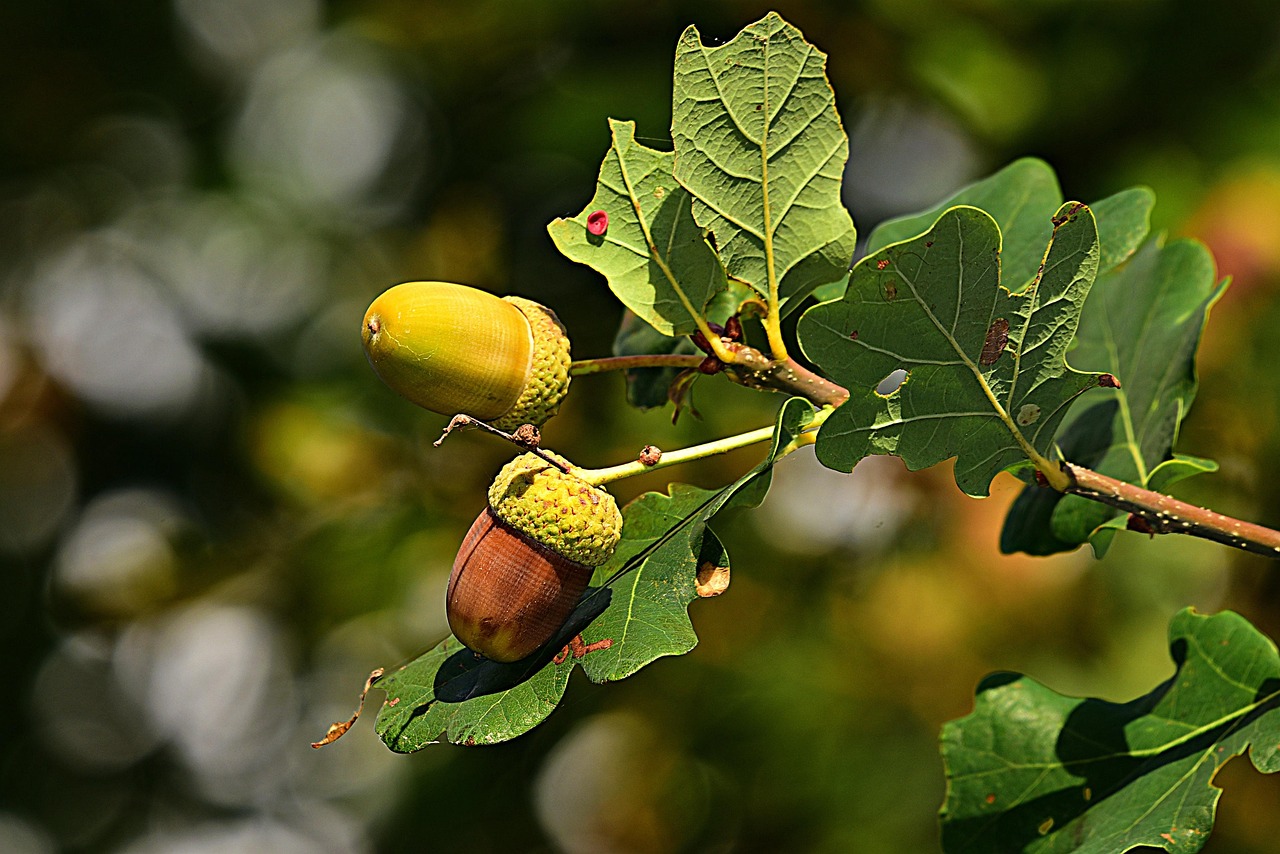
So, you’ve got a Bur Oak, or you’re thinking about getting one. That’s pretty cool. These trees, also known as mossycup oaks, are seriously impressive. They’re native to North America and can get really big – we’re talking up to 80 feet tall with a trunk diameter of 3-4 feet. They’ve got these thick, lobed leaves and acorns that are pretty distinctive.
What’s really neat about them is their toughness. They can handle all sorts of conditions, from pollution to dry spells, which is why they’re a popular choice for urban settings. Plus, they’re super long-lived, with many living for 200 to 300 years, and some even older.
But why should you care about their growth rate? Well, understanding how fast or slow a Bur Oak grows helps you know what to expect. It affects how long you’ll wait for shade, how quickly it might reach its mature size, and how much water and care it needs at different stages. It’s all connected, you know?
Here’s a quick look at what makes them tick:
- Longevity: These trees are built to last, often living for centuries.
- Resilience: They’re known for their ability to withstand tough conditions.
- Ecological Value: They provide food and shelter for wildlife.
Knowing the typical growth patterns and needs of a Bur Oak helps ensure it thrives for generations. It’s not just about planting a tree; it’s about nurturing a long-term part of the landscape.
We’ll get into the nitty-gritty of their growth, how much water they need, and how to keep them happy and healthy. Stick around!
Understanding Bur Oak Growth Rate: Basics and Key Factors
So, you’re curious about how fast a Bur Oak grows and what makes it tick, right? It’s not exactly a racehorse in the tree world, but that’s part of its charm. Bur Oaks are known for being pretty tough and long-lived, and their growth rate is influenced by a bunch of things.
Think of it like this: a young tree needs different conditions to get going than one that’s been around for a century. Several factors play a big role in how quickly or slowly your Bur Oak puts on height and girth.
Here are some of the main players:
- Site Conditions: This is a huge one. Where the tree is planted makes a massive difference. Is it in rich, deep soil with plenty of water, or is it struggling on a dry, rocky slope? The difference can be dramatic.
- Sunlight Exposure: Like most trees, Bur Oaks need sunlight to make food. Too much shade, and growth slows down. They generally prefer open areas.
- Water Availability: While they are drought-tolerant once established, young trees need consistent moisture. Too little water, and they’ll slow their growth to conserve resources.
- Competition: Are there other trees or plants hogging all the nutrients, water, and light? If so, your Bur Oak might have a harder time growing quickly.
- Pests and Diseases: A healthy tree grows better. If it’s constantly battling bugs or sickness, its energy goes into survival, not growth.
- Age of the Tree: A sapling’s growth spurt is different from a mature tree’s steady progress.
The speed at which a Bur Oak grows can vary significantly, with some on poor sites only adding a few inches in diameter over a hundred years, while those on prime real estate can be much larger.
It’s also interesting to note how disturbances can affect them. Sometimes, large openings in the forest canopy, created by things like windstorms, are actually needed for Bur Oaks to get started. They don’t always do well in dense shade or when competing with other types of trees that might take over if the Bur Oak isn’t given a chance to establish itself.
And don’t forget about browsing animals. Deer and livestock can munch on young Bur Oaks, really setting them back or even preventing them from growing up altogether. It’s a constant battle for survival in some areas.
Typical Growth Patterns of Bur Oak Trees Over Time
Bur oak trees have a pretty distinct way of growing, and it really changes as they get older. When they’re just starting, they focus a lot on their roots. Think of it like building a solid foundation before you start building the house. This early root development is super important for their long-term survival, especially in tougher spots.
As they get a bit bigger, say after a few years, you’ll start to see more above-ground growth. They’re not exactly speed demons when they’re young, but they are steady. It’s not uncommon for them to grow less than a foot per year in their first few seasons. This slow start is normal and helps them become the sturdy giants they’re meant to be.
Once a bur oak gets established, usually after it’s been around for a decade or so, its growth rate can pick up. This is when you really start to see them fill out. The exact speed still depends a lot on where they’re planted, though. Good soil and enough water make a big difference.
Here’s a general idea of what to expect:
- Seedling Stage (First 1-3 years): Very slow top growth, rapid root development. Focus is on establishing a deep taproot and spreading lateral roots. Height might only increase a few inches annually.
- Sapling Stage (3-10 years): Growth rate starts to increase, but is still moderate. You might see 1-2 feet of height gain per year under good conditions. The trunk begins to thicken.
- Young Tree Stage (10-30 years): Growth rate is more noticeable, often 1-3 feet per year. The tree starts to develop its characteristic broad crown.
- Mature Stage (30+ years): Growth slows down considerably in terms of height, but the tree continues to add girth and spread. The focus shifts to maintaining its massive structure and producing acorns. You might see less than a foot of height gain annually, but a significant trunk diameter increase.
The root system of a bur oak is truly impressive. Even in its first year, the roots can grow several feet deep and wide. This extensive underground network is what allows them to thrive in various conditions, including dry spells, once they’re established. It’s a testament to their resilience.
It’s also worth noting that bur oaks are known for their longevity. They aren’t trees that grow fast and then die young. They’re built to last for centuries, and their growth pattern reflects that long-term strategy. You’re planting a tree that will likely outlive you and many generations to come. For comparison, some live oaks are known for faster initial growth, but the bur oak’s steady, deep-rooted approach is its own kind of impressive.
How Soil and Climate Influence Bur Oak Growth Rate
So, you’ve got a bur oak, and you’re wondering what makes it tick, right? Well, a big part of that is where it’s planted and what the weather’s like. These trees are pretty tough, able to handle a lot, but they definitely have their preferences.
Soil plays a huge role in how well your bur oak grows. While they can survive in some pretty rough spots – think dry, poor soil, or even wet, soggy ground – they’ll really take off in richer, deeper soils. It’s not just about what’s there now, either. Past events like fires or how the land was used can also shape the soil and, in turn, affect the tree. For instance, in some areas, bur oaks do best on sites that have experienced drought, while in others, they prefer more moisture.
Here’s a quick look at how different soil conditions can impact growth:
- Poor/Dry Sites: Expect slower growth and a smaller mature size. Think of a tree that might only be a few inches in diameter after a century.
- Rich/Moist Sites: These are the prime spots. Trees here can grow much larger and faster, potentially reaching diameters of 30 inches or more in the same amount of time.
- Flood Tolerance: Bur oaks can handle some standing water, maybe a couple of weeks during the growing season, but prolonged flooding is a no-go and can kill them.
Climate is just as important. Bur oaks are known for being super cold-hardy, which is why you find them in northern areas. But the length of the growing season really matters. A longer season with warmer temperatures generally means better growth. Precipitation levels also make a difference; while they can endure droughts, consistent moisture helps them thrive. Oaks in drier regions tend to be more affected by the current year’s weather, whereas those in cooler climates might show the effects of the previous year’s conditions. This shows how regional climate really shapes oak tree health and growth patterns.
Think about it this way:
- Temperature: Warmer, longer growing seasons are generally better.
- Rainfall: They can handle dry spells, but consistent water is ideal.
- Extreme Weather: Severe droughts or prolonged flooding can stress the tree and slow its growth.
Bur oaks are adaptable, but providing them with decent soil and a climate that suits them will make a world of difference in their growth rate and overall health. It’s not just about planting it and forgetting it; understanding these environmental factors helps you give your tree the best chance to flourish.
Early Years: Growth Rate of Young Bur Oak Trees
When you first plant a young bur oak, don’t expect it to shoot up overnight. The bur oak growth rate in these early years is generally pretty modest. Think of it as the tree focusing its energy underground, building a strong foundation. This initial root development is key to its future resilience and growth.
During the first few years, you might see the tree add anywhere from 8 to 12 inches in height annually. This isn’t super fast compared to some other trees, but it’s a sign that the tree is settling in and establishing its root system. It’s putting down a deep taproot and spreading lateral roots, which is exactly what it needs to do to become that long-lived, sturdy tree we know bur oaks can be. This early stage is all about survival and setting the stage for later growth.
Here’s a general idea of what to expect:
- Year 1-3: Focus on root establishment. Height gain might be minimal, maybe just a few inches.
- Year 3-5: Roots are more developed. You’ll start to see more noticeable vertical growth, often in the 8-12 inch range per year.
- Year 5+: The tree is becoming more established. The bur oak growth rate can begin to pick up, especially if conditions are good.
It’s important to remember that these are just averages. Factors like soil quality, available water, and even competition from other plants can influence how quickly your young bur oak grows. Providing good care during these formative years, like proper watering and avoiding soil compaction, really makes a difference in its long-term success. Getting a young bur oak off to a good start is a big part of its future health.
The early life of a bur oak is a quiet, determined effort. It’s not about showing off with rapid height increases, but about the unseen work of building a robust root system that will support it for centuries. Patience is definitely a virtue when growing these magnificent trees.
Mature Bur Oak Growth: What to Expect After Establishment
Once a bur oak tree has made it past those tricky early years and is well-established, its growth really starts to pick up. It’s like the tree finally found its footing and is ready to show off.
Think about it – the root system is now solid, anchoring it well and able to pull up more water and nutrients. This means you’ll see a noticeable increase in both height and trunk diameter.
The actual speed of this growth can vary a lot depending on where the tree is planted. It’s not just about age; the environment plays a huge role.
Here’s a general idea of what influences growth in established trees:
- Soil Quality: Rich, deep soils are like a five-star buffet for bur oaks. They’ll grow much faster and larger in these conditions compared to rocky or sandy soil.
- Water Availability: While established trees are tough, consistent access to moisture, especially during dry spells, makes a big difference. They can handle some drought, but they won’t thrive without water.
- Sunlight: Bur oaks are sun-lovers. Plenty of direct sunlight allows them to photosynthesize at their best, fueling robust growth.
- Competition: Are there other trees or plants crowding it? If so, the bur oak has to compete for resources, which can slow things down.
It’s pretty amazing how much variation there can be. On a less-than-ideal site, a 100-year-old bur oak might only be about 4 inches across its trunk. But on a prime spot with good soil and water, that same tree could be a whopping 30 inches wide! That’s a massive difference, all thanks to the environment.
Remember that bur oaks are known for their resilience. Even if conditions aren’t perfect, they tend to hang in there and grow steadily, just perhaps not at the fastest pace. Their ability to sprout after damage also means they can often recover and continue growing even after setbacks.
So, while you can expect a good, steady growth rate from an established bur oak, keep an eye on its surroundings. Making sure it has what it needs will help it reach its full, impressive potential.
Lifespan of Bur Oak Trees: Longevity, Mature Size, and Life Cycle
When you plant a bur oak, you’re really planting a legacy. These trees are known for their impressive longevity. It’s not uncommon for a bur oak to live for 200 to 300 years, and some can even push past that mark. Think about that – a tree planted today could still be standing for many generations to come.
This long life cycle means they reach a truly grand size. Mature bur oaks typically grow to be between 60 to 80 feet tall, with a spread that can easily span 60 to 100 feet. That’s a lot of shade and a significant presence in any landscape. Their growth rate is moderate, especially after they’ve settled in, usually adding about 1 to 2 feet per year once established.
Here’s a general idea of what to expect over time:
- Seedling/Sapling Stage (First 10-20 years): Focus is on root development. Growth is slower above ground, but the tree is building a strong foundation. Expect maybe a foot or so of height gain per year.
- Young Tree Stage (20-50 years): The tree starts to gain height and width more noticeably. This is when its characteristic sturdy branches begin to form.
- Mature Stage (50+ years): The bur oak reaches its impressive stature. Growth continues, but the tree is now a dominant feature, providing substantial shade and habitat.
It’s worth noting that bur oaks can take a while to start producing acorns. You might need to wait until the tree is around 35 years old before it starts bearing fruit.
The bur oak’s life cycle is a testament to resilience. They adapt to various soils and conditions, developing deep root systems that help them weather dry spells and harsh winters. This robust nature is a key factor in their remarkable longevity.
So, when you consider the bur oak lifespan, you’re looking at a tree that’s built to last, becoming a significant part of the environment for centuries.
Water Requirements for Bur Oak: Young Trees vs Established Trees
When you first plant a bur oak, it’s going to be thirsty. Think of it like a baby – it needs consistent attention to get a good start. For the first couple of years, you’ll want to water it deeply and regularly, especially if there isn’t much rain. This helps it build that strong root system that bur oaks are known for. Don’t skimp on this; it’s really important for its future health.
Once your bur oak is established, though, it becomes a different story. These trees are pretty tough and can handle dry spells pretty well. That deep taproot we talked about? It’s a lifesaver, letting the tree pull water from way down in the soil. So, while you don’t need to water it constantly, keep an eye out during really long dry spells, particularly in the first three years.
Here’s a quick rundown:
- Young Trees (First 1-3 Years): Water deeply and consistently. Aim for moist, but not waterlogged, soil. Check the soil moisture a few inches down before watering.
- Established Trees (3+ Years): Drought-tolerant. Water only during extended dry periods. Deep watering is better than frequent shallow watering.
Bur oaks are quite adaptable, but giving them the right amount of water at the right time makes a big difference in how well they grow and how long they live. It’s all about setting them up for success from the start.
It’s easy to overthink watering, but for bur oaks, it’s mostly about that initial establishment phase. After that, they’re pretty good at taking care of themselves. You can find more information on bur oak care if you’re curious about other aspects of keeping these trees happy.
Seasonal Watering Strategies to Support Optimal Growth
Alright, so you’ve got your bur oak, and you want it to really thrive, right? Watering is a big part of that, but it’s not just about dumping water on it whenever you remember. It changes throughout the year, and you gotta pay attention to what the tree actually needs.
The key is to match your watering schedule to the tree’s life cycle and the weather. Young trees, the ones you just planted or are still getting established, need more consistent moisture. Think of them like little kids – they can’t go too long without a drink. Established trees, though, they’re tougher. They’ve got deeper roots and can handle drier spells much better. Overwatering established trees can actually be more harmful than not watering enough, leading to root rot and other issues.
Here’s a general idea of how to approach watering through the seasons:
- Spring: This is a big growth period. As things warm up and new leaves start unfurling, your bur oak will be thirsty. Water deeply and regularly, especially if you’re not getting much rain. Aim for soil that’s moist but not waterlogged.
- Summer: This is the make-or-break season. Long stretches of hot, dry weather can stress even established trees. Deep watering is still important, but maybe less frequently than in spring. Let the soil dry out a bit between waterings to encourage those roots to go deeper.
- Fall: As temperatures cool and the tree starts to prepare for dormancy, you can gradually reduce watering. A good deep soak before the ground freezes can be beneficial, though, giving it a nice reservoir for winter.
- Winter: Generally, established trees don’t need supplemental watering in winter unless you’re in a serious drought and the ground isn’t frozen. Young trees might still need occasional watering if the soil is dry and it’s not frozen.
Remember, checking the soil is your best bet. Stick your finger a few inches down. If it feels dry, it’s probably time to water. If it’s still damp, hold off. This simple check beats guessing every time.
It’s also worth noting that different soil types hold water differently. Sandy soils drain fast and need more frequent watering, while clay soils hold moisture longer and can become waterlogged if you’re not careful. So, get to know your soil, and adjust your watering plan accordingly. You’ll see a much happier, healthier bur oak for it.
Signs of Water Stress: Overwatering vs Underwatering in Bur Oak
Figuring out if your bur oak is thirsty or has had too much to drink can be tricky. Both underwatering and overwatering can cause similar-looking problems, but the underlying issues and solutions are quite different. Paying close attention to your tree’s leaves and overall appearance is key.
When a bur oak is thirsty, its leaves might start to droop and turn a dull, grayish-green color. They can also develop brown, crispy edges, especially on the older leaves first. The tree might shed leaves prematurely, and growth can slow to a crawl. You might also notice the soil around the base of the tree is dry and pulling away from the trunk.
On the flip side, too much water can be just as damaging. Overwatering often leads to yellowing leaves, which can then develop brown spots and eventually drop off. The leaves might look wilted, even though the soil is wet, because the roots are suffocating and can’t take up water or nutrients. This can also make the tree more susceptible to root rot and fungal diseases.
Here’s a quick rundown of what to look for:
- Underwatering Signs:
- Leaves turn brown and crispy, especially at the edges.
- Wilting or drooping leaves that feel dry.
- Premature leaf drop, starting with older leaves.
- Slowed or stunted growth.
- The soil pulls away from the trunk when dry.
- Overwatering Signs:
- Leaves turn yellow, sometimes with brown spots.
- Wilting leaves despite moist soil.
- Soft, mushy roots (if you can inspect them).
- Fungal growth on the soil surface or trunk base.
- Increased susceptibility to pests and diseases.
It’s important to remember that established bur oaks are quite drought-tolerant thanks to their deep taproots. They generally need less frequent watering once they’ve settled in. However, young trees, especially those planted within the last few years, require more consistent moisture to develop a strong root system. Always check the soil moisture a few inches down before watering.
If you suspect your tree is struggling due to water issues, the first step is to assess the soil moisture. For established trees, avoid watering directly at the trunk, as this can lead to problems like root rot [c6ba]. Instead, water the entire root zone, which extends out to the drip line. For young trees, ensure the soil is moist but not waterlogged. Adjusting your watering schedule based on weather conditions and the tree’s specific needs will help keep it healthy and thriving.
Practical Care Tips to Boost Bur Oak Growth and Health
So, you’ve got a bur oak, and you want it to really thrive, right? It’s not rocket science, but a little attention goes a long way. These trees are tough, but giving them a good start and some basic care will make a big difference in how well they grow and how long they stick around.
First off, let’s talk about pruning. You don’t need to go crazy with it, but keeping an eye on things is smart. The best time to do any major cutting is usually late fall or early spring, before all the new leaves pop out. What you’re looking for are branches that are dead, look diseased, or are just plain damaged. Cut those off right at the source, where they connect to the main trunk or a bigger branch. Also, get rid of any branches that are growing downwards or, even worse, ones that are rubbing against each other. That rubbing can cause wounds and invite problems. You can actually prune out a decent amount, maybe up to a third of the tree’s branches in a season, if you want to open up the canopy a bit. Better sunlight and air circulation are good for pretty much any plant, including your oak.
Here are a few more things to keep in mind:
- Watering: Remember, young trees need more consistent moisture than established ones. Once they’re settled in, their deep roots can handle dry spells pretty well. But if it’s been super dry for weeks on end, give them a good, deep soak.
- Fertilizing: Bur oaks aren’t usually heavy feeders. If you feel the need, a slow-release fertilizer in early spring before the leaves come out is generally fine. Just follow the package directions – more isn’t always better.
- Pest Patrol: Keep an eye out for common oak issues like leaf spots or caterpillars. Sometimes, just picking off caterpillars by hand is enough. For more serious problems, you might need to look into other options, but often, healthy trees can fight off minor issues on their own.
- Location, Location, Location: When you’re planting, make sure it has plenty of room. These trees get big, both tall and wide, and their roots spread out. They also love full sun, so pick a spot that gets at least six hours of direct light daily.
Dealing with problems like lichen or mistletoe is usually straightforward. Lichen is just a surface growth and doesn’t harm the tree, so you can ignore it. Mistletoe, though, is a parasite. If you see it, you’ll need to cut the affected branches well below where the mistletoe is attached. For big infestations, you might need to bring in something stronger.
And hey, if you’re thinking about starting a new tree from an acorn, that’s a whole other adventure! It takes patience, but it’s rewarding. Just make sure you pick good acorns, give them the right start in a pot, and be ready to transplant when they’re a bit bigger. It’s a slow process, but watching a tiny acorn turn into a mighty oak is pretty cool.
Balancing Growth, Water, and Long-Term Tree Success
So, you’ve got your bur oak growing, and it’s looking pretty good. Now comes the part where you make sure it keeps thriving for years to come. It’s all about finding that sweet spot between giving it what it needs to grow strong and not overdoing it. Think of it like a long-term relationship with your tree – you need to pay attention to the details.
Getting the water right is probably the biggest piece of the puzzle. Young trees, the ones still finding their footing, need more consistent moisture. They don’t have those deep root systems yet, so they dry out faster. Established trees, on the other hand, are much tougher. They can handle a bit more dryness because their roots reach way down for water. It’s a common mistake to keep watering a big, old tree like it’s a sapling, and that can actually cause problems, like root rot.
Here’s a quick rundown on watering:
- Young Bur Oaks (First 1-3 years): Aim for deep watering about once a week, especially during dry spells. The soil should be moist, not soggy, a few inches down.
- Established Bur Oaks (3+ years): These guys are pretty drought-tolerant once they’re settled. You might only need to water during extended, severe dry periods. Let the soil dry out a bit between waterings.
- Seasonal Adjustments: Water more in the heat of summer and less in the cooler spring and fall. Winter watering is usually not needed unless there’s a prolonged dry spell with no snow cover.
Overwatering can be just as bad, if not worse, than underwatering. It suffocates the roots and makes them prone to disease. Always check the soil moisture before you grab the hose. Stick your finger a few inches into the ground; if it feels damp, hold off on watering.
Beyond water, remember that good soil and a bit of space go a long way. Bur oaks aren’t super picky, but they do appreciate decent drainage. And while they’re tough, giving them a little mulch around the base (but not touching the trunk!) helps keep the soil temperature steady and conserves moisture. It’s not about constant intervention, but rather providing the right conditions and then letting the tree do its thing. The goal is a healthy, resilient tree that can stand on its own for centuries.
Keeping your trees healthy involves a careful mix of giving them enough water and making sure they can grow strong for years to come. It’s a delicate balance, but getting it right means beautiful, sturdy trees. Want to learn more about how to help your trees thrive? Visit our website for expert tips and services.
Frequently Asked Questions
How fast do Bur Oak trees grow?
Bur Oak trees are known for being slow growers, especially when they are young. Expect them to add less than 25 centimeters (about 10 inches) per year. Once they get more established, their growth rate can pick up a bit, sometimes adding 1 to 2 feet annually.
How long do Bur Oak trees live?
These trees are built to last! Bur Oaks are very long-lived and can easily survive for 200 to 300 years. Some might even live much longer, becoming true giants over centuries.
How much water does a Bur Oak need?
Young Bur Oaks need regular watering to help their roots get established. Once they are mature, they become quite tough and can handle dry spells pretty well thanks to their deep root systems. However, during very hot and dry periods, even established trees appreciate a good watering.
What kind of soil is best for Bur Oaks?
Bur Oaks are pretty adaptable and can grow in many different types of soil, from sandy to clay. They actually do quite well in soils that might not be perfect for other trees. They prefer well-drained soil but can tolerate wetter or drier conditions too.
Do Bur Oaks need a lot of sunlight?
Yes, Bur Oaks love the sun! They grow best when they can get at least six hours of direct sunlight each day. This helps them grow strong and develop a full, beautiful canopy.
What are the signs that my Bur Oak is not getting enough water?
Look for leaves that start to droop, turn yellow, or develop dry, brown edges. The tree might also shed its leaves earlier than usual. If the soil around the base of the tree feels very dry and hard, it’s a good sign it needs a drink.
Can Bur Oaks handle cold weather?
Absolutely! Bur Oaks are some of the most cold-hardy oak trees around. They can easily survive very cold winters, even temperatures well below freezing.
Why might my young Bur Oak not be growing very fast?
It’s normal for young Bur Oaks to grow slowly as they focus on developing a strong, deep root system, especially their taproot. Factors like soil quality, sunlight, and water availability also play a big role. Patience is key with these magnificent trees!