
Chinkapin Oak Growth Rate: How Fast This Hardy Tree Grows
- By Henry More
- December 1, 2025
When I first started looking into the Chinkapin Oak (Quercus muehlenbergii), I was curious about how fast it actually grows. It’s often described as a hardy tree, but that doesn’t always mean it shoots up like a weed. From what I’ve gathered, the Chinkapin Oak growth rate is generally considered moderate to fast, especially when it’s young and getting established. I’ve seen figures suggesting it can add anywhere from 12 to 24 inches in height each year. Of course, this isn’t a constant; the growth tends to slow down a bit as the tree gets older and reaches its mature size.
Understanding the Chinkapin Oak Growth Rate
It’s interesting to note that this tree is also quite long-lived, with a lifespan that can stretch from 150 to 250 years. This means that while it might not be the absolute fastest grower out there, it’s definitely a tree that’s in it for the long haul.
Here’s a quick look at what to expect:
- Young Trees: Typically show the most rapid growth, adding 1-2 feet annually.
- Mature Trees: Growth slows considerably, focusing more on canopy spread and trunk thickening.
- Lifespan: Expect this tree to be a landscape feature for centuries.
It’s important to remember that these numbers are averages. A lot of things can influence how quickly your specific Chinkapin Oak puts on growth. Things like sunlight, soil quality, and water availability play a big role. I’ve found that understanding these factors is key to helping the tree reach its full potential.
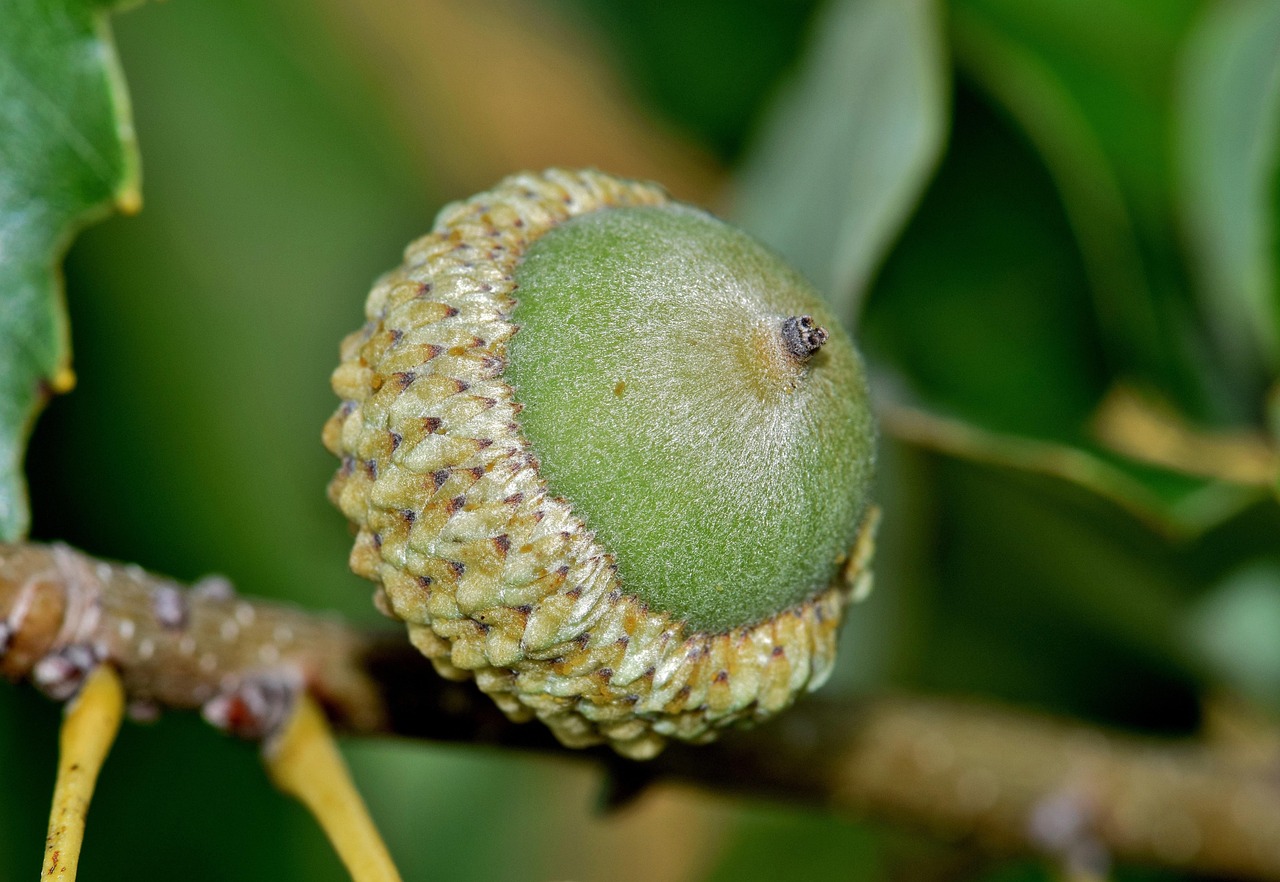
When you’re thinking about planting a Chinkapin Oak, it’s good to know that they are part of the white oak group. They are native to North America and are known for their adaptability. You can find them growing in various conditions, from rocky uplands to limestone ridges. Their acorns are also a notable feature, maturing quickly and having thin shells, which makes them a good food source for wildlife, especially around deer hunting season.
So, while it’s not a tree that will give you instant shade overnight, the Chinkapin Oak offers a steady and reliable growth pattern, making it a solid choice for a long-term landscape addition.
Factors That Influence Chinkapin Oak Growth Rate
When I’m looking at how fast a Chinkapin Oak growth rate, I’ve noticed it’s not just one thing. Several elements play a role, and understanding them helps me figure out what to expect.
The most significant factor is definitely sunlight. These trees really thrive when they get plenty of it. Think at least six hours of direct sun each day. If they’re stuck in too much shade, they tend to grow slower and can even become a bit more shrub-like, which isn’t usually what I’m going for when I plant an oak.
Then there’s the soil. While Chinkapin Oaks are pretty tough and can handle a variety of soil types, they do best in soil that drains well. If the ground stays waterlogged, it can really slow down their growth and make them more prone to problems. They’re not super picky about pH, which is nice, but good drainage is key.
Here’s a quick rundown of what I consider:
- Sunlight: Full sun is best. More sun generally means faster growth.
- Soil Quality: Well-draining soil is preferred. Poorly drained or compacted soil will hinder growth.
- Water Availability: Young trees need consistent water, but established ones are quite drought-tolerant. Too much or too little water can stress the tree.
- Climate: These trees are adaptable, but extreme conditions can affect growth.
- Tree Age: Like most things, growth slows down as the tree gets older.
I’ve also found that the health of the tree itself matters. If a young tree is struggling with pests or diseases, or if it had a rough start during transplanting (especially if the taproot was damaged), its growth will be impacted. It’s like anything else; a healthy start leads to better development.
Sometimes, even with the best intentions, a tree might not take off as quickly as I’d hoped. It’s important to remember that growth isn’t always linear. A tree might grow slowly for a year or two while it establishes its root system, and then really start to pick up speed. Patience is definitely a virtue when growing trees.
Average Annual Chinkapin Oak Growth Rate in Different Climates
When I look at how fast a Chinkapin oak growth rate, I’ve noticed it’s pretty consistent, but climate definitely plays a role. Generally, these trees are considered moderately fast growers for oaks, often putting on about 12 to 24 inches of height each year. This rate is quite respectable, especially considering their long lifespan, which can easily stretch to 150-250 years.
The adaptability of the Chinkapin oak is one of its strongest suits. It’s native to a wide swath of North America, from as far north as New England down to northeastern Mexico. This means it can handle a pretty broad range of temperatures and conditions. In areas with milder winters and warm summers, I tend to see them reach their full growth potential more readily. Conversely, in regions with harsher winters or extreme heat, the growth might be a bit slower, especially when the trees are young and still establishing themselves.
Here’s a general idea of what I’ve observed:
- Northern Climates (Zones 4-5): Growth might be on the slower side of the 12-24 inch range, particularly in the first few years. The colder temperatures can limit the growing season.
- Temperate Climates (Zones 6-7): This is often the sweet spot. I see consistent growth, usually within the 18-24 inch annual range, provided other conditions like sunlight and water are met.
- Southern Climates (Zones 8-9): While they can tolerate heat, extreme, prolonged heatwaves without adequate moisture can stress the tree and slow growth. However, with good care, they still perform well.
It’s important to remember that these are averages. A young tree will focus more energy on root development initially, so its upward growth might seem slower than an established tree. Also, factors like soil quality and available water can influence growth rates significantly, sometimes more so than the climate itself. For instance, a tree in a less-than-ideal climate but with perfect soil and water might outpace one in a better climate with poor conditions. I’ve seen this happen quite a bit when comparing trees in different parts of a yard, let alone different regions. It makes you think about how much we can influence a tree’s progress just by giving it what it needs. The fall foliage can also be affected by these climate variations, changing the visual appeal of the tree throughout the year.
While the Chinkapin oak is known for its hardiness and ability to adapt, providing it with the best possible conditions will always lead to more vigorous growth. This means paying attention to its needs, especially in the early years after planting.
Soil and Water Requirements for Optimal Chinkapin Oak Growth Rate
When I’m thinking about getting a Chinkapin Oak to grow, the first thing I consider is where it’s going to live. These trees are pretty tough, but they do have preferences, especially when they’re young. Getting the soil and water right from the start makes a big difference in how fast they take off.
Chinkapin Oaks aren’t super picky about soil type, which is great. They can handle clay, loam, or sandy soil, and they’re even okay with alkaline conditions, unlike many other oaks. What they really need is for the soil to drain well. If water sits around the roots for too long, it can cause problems. I’ve found that they do best when the soil is fertile, but they can still grow, albeit a bit slower, in poorer soils. They don’t really need fertilizer, which is a relief.
For young trees, I make sure to water them regularly, at least once a week if there’s no rain. This helps them get established. Once they’re a few years old and have grown a bit, they become much more drought-tolerant. Established trees usually only need a good watering during really long dry spells. It’s all about giving them a good start and then letting them be.
Here’s a quick rundown:
- Soil Drainage: Absolutely key. Avoid areas where water pools.
- Soil Type: Tolerant of most, but prefers fertile ground.
- pH: Can handle acidic, neutral, or alkaline soils.
- Watering (Young Trees): Consistent moisture, about once a week without rain.
- Watering (Established Trees): Only during extended dry periods.
I’ve noticed that while Chinkapin Oaks are known for their hardiness, providing them with well-draining soil and consistent moisture when they are young really sets them up for success. It’s not complicated, just a matter of paying attention to their basic needs.
If you’re looking to plant a tree that’s adaptable and doesn’t demand constant fussing, the Chinkapin Oak is a solid choice. Learning about its needs, like proper soil and water conditions, is the first step to seeing it thrive.
How Sunlight Affects the Chinkapin Oak Growth Rate
When I’m thinking about how fast a Chinkapin Oak will grow, I always consider how much sun it’s getting. It’s pretty straightforward, really. These trees just love the sun. For the best growth, you’ll want to plant your Chinkapin Oak where it can get full sun, meaning at least six hours of direct sunlight each day. If it doesn’t get enough light, it’s going to be a bit of a slowpoke. It’s not that it can’t survive in partial shade, but it definitely won’t reach its full potential in terms of height and spread, and its growth rate will suffer.
Think of it like this:
- Full Sun (6+ hours direct): This is the sweet spot. Expect the most vigorous growth and a healthy, full tree. This is where you’ll see that 12 to 24 inches of growth per year, which makes this oak so appealing.
- Partial Shade (4-6 hours direct): The tree will still grow, but it might be a bit more spread out and less dense. Growth will likely be on the slower side of the average range.
- Heavy Shade (less than 4 hours direct): This is not ideal. The tree might become leggy, weak, and its growth will be significantly stunted. It’s best to avoid this situation if you want a thriving Chinkapin Oak.
I’ve noticed that trees planted in open areas, like fields or along the edge of a woodland where they get unobstructed sun, tend to put on more height and girth each year compared to those tucked away under taller, established trees. It really makes a difference in how quickly you see results.
Sunlight is the primary energy source for photosynthesis, the process plants use to convert light energy into chemical energy for growth. Without adequate sunlight, the Chinkapin Oak simply can’t produce enough energy to fuel rapid development. It’s a fundamental requirement for robust growth, much like water and good soil.
So, if you’re looking at a spot in your yard, really assess the sun exposure throughout the day. It’s a simple step, but it has a big impact on how well your Chinkapin Oak does.
Common Challenges That Slow Chinkapin Oak Growth Rate
Even though the chinkapin oak is a pretty tough tree, it’s not immune to problems that can really put the brakes on its growth. I’ve noticed a few things that seem to consistently slow them down.
One of the biggest culprits is improper planting. These trees have a deep taproot, and if that gets messed up during transplanting, the tree can struggle for a long time. It’s really important to make sure the root system is as intact as possible when you buy it, or that it’s been root-pruned at the nursery to encourage a better structure. If the taproot is severely damaged, the tree might never really get going.
Then there are the environmental stresses. While chinkapin oaks are adaptable, they aren’t invincible. Things like:
- Watering issues: Too much or too little water, especially when the tree is young, can cause stress. Soggy soil is particularly bad because it can lead to root rot.
- Soil compaction: Heavy foot traffic or construction around the base of the tree can compact the soil, making it hard for roots to get air and water.
- Extreme weather fluctuations: Sudden, drastic changes in temperature, especially after transplanting, can shock the tree and cause bark splitting or other damage.
- Pests and diseases: While generally resistant, a stressed tree is more vulnerable. Oak wilt is a serious concern, and while less common, other fungal issues or insect infestations can weaken the tree and slow its growth.
It’s easy to think that once a tree is in the ground, its work is done. But trees, like any living thing, need the right conditions to really thrive. Paying attention to the details, especially in the early years, makes a huge difference in how well they establish and grow.
Sometimes, even pruning can be a problem if not done correctly. You really only want to prune out dead, damaged, or crossing branches, and it’s best to do that when the tree is dormant in the winter. Pruning during the growing season can stress the tree and make it more susceptible to diseases like oak wilt.
Tips to Improve Chinkapin Oak Growth Rate in Your Landscape
While the Chinkapin oak is a pretty hardy tree, there are definitely things I’ve learned that can help it really thrive and grow at its best. It’s not about forcing it, but more about giving it the right conditions to do its thing.
First off, sunlight is a big deal. These trees really do best in full sun. I mean, at least six hours of direct sunlight each day. If you’ve got a spot that’s a bit shady, it might grow, but it won’t be as vigorous. So, pick a sunny location when you’re planting, or if you have an existing tree that’s struggling, consider if it’s getting enough light.
Watering is another key point, especially when the tree is young. I’ve found that consistent moisture is important for those first few years. Once it’s established, it’s pretty drought-tolerant, but during really dry spells, a good watering can still make a difference. Don’t let it sit in soggy soil, though; good drainage is a must.
Soil is also something to pay attention to. While Chinkapin oaks are known for tolerating a range of soils, including alkaline ones, they really appreciate fertile soil that drains well. If your soil is heavy clay or compacted, amending it with some compost before planting can make a world of difference for root development and overall health.
Pruning is usually minimal for this species. I only ever trim off branches that are broken, diseased, or crossing. The best time to do this is when the tree is dormant, typically in winter. Pruning during the growing season can stress the tree and make it more open to problems like oak wilt, so I avoid that.
Here are a few more things I keep in mind:
- Planting Acorns: If you’re starting from seed, plant acorns right after they fall in the autumn. Viable acorns sink in water. Planting them right away gives you the best chance for germination. Storing them over winter can really cut down on how many sprout.
- Mulching: Applying a layer of mulch around the base of the tree, keeping it a few inches away from the trunk, helps retain soil moisture, suppress weeds, and regulate soil temperature. This is especially helpful for young trees.
- Spacing: Give your Chinkapin oak plenty of room to grow. Planting them about 50-70 feet apart from other trees or structures allows their canopy to spread out fully without competition.
By focusing on these simple practices, I’ve seen my Chinkapin oaks grow much more steadily and look healthier overall. It’s really about setting them up for success from the start.
Comparing Chinkapin Oak Growth Rate to Other Oak Species
When I look at how fast the Chinkapin oak grows, I often wonder how it stacks up against other oaks I might consider for my yard. It’s not the absolute fastest tree out there, but it’s certainly no slouch. Generally, I see Chinkapin oaks putting on about 12 to 24 inches of growth per year, especially when they’re younger and have good conditions. This puts it in a pretty solid middle ground for oak species.
For instance, consider the Bur Oak (Quercus macrocarpa). It’s known for being quite hardy and long-lived, but its growth rate is often a bit slower, maybe closer to 12 inches annually, sometimes less. Then you have something like the Pin Oak (Quercus palustris), which can be a bit faster when young, sometimes reaching 24 inches or more per year, but it often has a more upright, narrower form compared to the broader spread of a Chinkapin.
Here’s a rough comparison I’ve put together:
| Oak Species | Average Annual Growth Rate (Young) | Typical Mature Height | Notes |
| Chinkapin Oak | 12-24 inches | 50-80 feet | Hardy, adaptable, good for alkaline soils |
| Bur Oak | 12-18 inches | 60-80 feet | Very drought-tolerant, large acorns |
| Pin Oak | 18-24 inches | 60-75 feet | Likes moist soil, pyramidal shape |
| White Oak | 12-24 inches | 50-80 feet | Very long-lived, slow to moderate growth |
It’s interesting to note that while Chinkapin oaks are part of the white oak group, they have a unique ability to handle alkaline soils, which many other white oaks don’t prefer. This adaptability is a big plus.
The growth rate of any oak, including the Chinkapin, isn’t static. It changes as the tree matures, usually slowing down significantly after the first couple of decades. So, while a young tree might be zipping along, an older, established tree will grow much more gradually. This is perfectly normal and part of the tree’s life cycle.
So, if I’m looking for a tree that offers a decent growth rate without being overly aggressive, and one that’s tough and adaptable, the Chinkapin oak seems like a really good choice. It’s not the absolute quickest, but it’s reliable and provides a good balance of growth and longevity compared to many of its oak cousins.
Wondering how fast Chinkapin Oak trees grow compared to other oaks? While some oaks are slow growers, the Chinkapin Oak can surprise you with its steady pace. Understanding this growth rate is key to planning your landscape. For more details on oak species and their growth habits, visit our website today!
Frequently Asked Questions
How quickly does a Chinkapin Oak tree grow?
I’ve observed that the Chinkapin Oak is a fairly fast grower for an oak tree, typically adding between 12 to 24 inches in height each year. This growth rate tends to be a bit quicker when the tree is younger and may slow down as it matures.
What conditions help a Chinkapin Oak grow its fastest?
From my research, this hardy tree thrives best when it receives plenty of sunlight, ideally at least six hours of direct sun daily. It also prefers well-draining soil and can handle a range of temperatures, from cold winters to hot summers.
Does the Chinkapin Oak’s growth rate change with age?
Yes, I’ve learned that while the Chinkapin Oak is considered a relatively fast-growing tree when young, its growth rate does tend to slow down as it gets older. It’s a long-lived tree, often reaching ages of 150 to 250 years.
Can I expect the same growth rate in different climates?
I understand that while the Chinkapin Oak is quite adaptable to various climates, including very cold winters and hot, humid summers, its growth rate can be influenced by local conditions. Factors like available water and soil quality in a specific climate will play a role.
Are there common issues that might slow down my Chinkapin Oak’s growth?
I’ve found that problems like oak wilt, certain fungal diseases, or even insect infestations can stress the tree and slow its growth. Also, if a young tree’s root system is significantly disturbed during transplanting, it might struggle to establish and grow quickly at first.
What’s the average height and width a Chinkapin Oak reaches?
I’ve noted that mature Chinkapin Oaks typically grow to be about 50 to 80 feet tall and can spread 50 to 70 feet wide, creating a substantial presence in the landscape.