
Rising Sun Redbud Tree Zone Guide
- By Henry More
- July 13, 2026
Why the Rising Sun Redbud Is So Popular
So, why is the ‘Rising Sun’ redbud tree becoming such a favorite among gardeners? Honestly, it’s a combination of things that just make it a standout. For starters, its color is just incredible. Unlike other redbuds that might have a more standard green or purple leaf, this one starts the season with these bright, almost marmalade-orange new leaves. It’s like a little burst of sunshine right in your yard. As the season goes on, those leaves change to a lovely chartreuse and then settle into a nice blue-green. It gives you a really long season of interesting color, which is a big plus.
Beyond the foliage, it’s also a pretty tough tree. It’s not overly fussy about where it grows, which is always a relief for us home gardeners who aren’t exactly landscape architects. You can plant it in full sun or partial shade, and it’s generally happy as long as the soil drains okay. Plus, it’s a smaller tree, usually topping out around 12 feet tall and wide. This makes it perfect for smaller yards or even for planting in a mixed border with other shrubs and perennials. You don’t need a huge estate to enjoy this tree’s beauty. It’s also a native species, which is a bonus for attracting local wildlife. You’ll often see butterflies and hummingbirds checking it out. It’s a nice way to support the local ecosystem right in your backyard. It’s just a really rewarding tree to have around, offering a lot of visual interest without demanding a ton of work. If you’re looking for a splash of unique color and a tree that’s relatively easy to care for, the ‘Rising Sun’ redbud is definitely worth considering. It’s a great alternative to more common landscape trees, offering something a little different and a lot more vibrant. For more on redbud varieties, you can check out general Eastern Redbud trees information.
Rising Sun Redbud Tree Zone: Where It Grows Best
So, you’re thinking about adding a Rising Sun Redbud to your garden? That’s a great choice! These trees are really something special, especially with their colorful leaves. But before you go digging, you need to know if your neck of the woods is a good fit for this beauty. It’s all about the growing zones, you see.
What Growing Zones Support Rising Sun Redbud?
When it comes to planting a Rising Sun Redbud, figuring out your USDA hardiness zone is pretty important. Think of it as the tree’s comfort zone – too cold, and it might not make it through the winter; too hot, and it could struggle. Luckily, the Rising Sun Redbud is pretty adaptable and can handle a good range of temperatures.
- Zones 5-9: This is the sweet spot for the Rising Sun Redbud. If you live anywhere within these zones, you’re in luck! You’ll get to enjoy its vibrant spring blooms and the stunning color changes throughout the growing season. This range covers a lot of ground across the United States, from parts of the Midwest all the way down to the South and across to the West Coast.
- Zone 5 Considerations: If you’re in Zone 5, which can get pretty chilly in the winter, make sure you plant your Rising Sun Redbud in a spot that offers a bit of protection. A sheltered location, maybe near a building or under the canopy of larger trees, can help it survive those colder snaps. It’s not as tough as some other trees, so giving it a little extra care in this zone is a good idea.
- Zone 9 and Beyond: For those in warmer climates, like Zone 9, the Rising Sun Redbud generally does well. However, in areas with intense, scorching summer heat, it might appreciate some afternoon shade. This can prevent its leaves from getting stressed and looking a bit sad. Planting it where it gets morning sun and then a break from the harshest afternoon rays is often the best strategy.
Knowing your zone is the first step to making sure your Rising Sun Redbud thrives. It’s a tree that brings a lot of joy with its unique colors, and getting the planting zone right is key to enjoying it for years to come. You can find a lot of information on hardiness zones to help you pinpoint yours.
Rising Sun Redbud Tree Overview
The Rising Sun Redbud tree is a real standout, especially if you’re looking for a smaller tree that packs a punch in the landscape. It’s not one of those giant trees that will take over your yard; instead, it stays pretty compact, usually topping out around 8 to 12 feet tall and about the same width. This makes it a great choice for smaller yards or even for planting in containers.
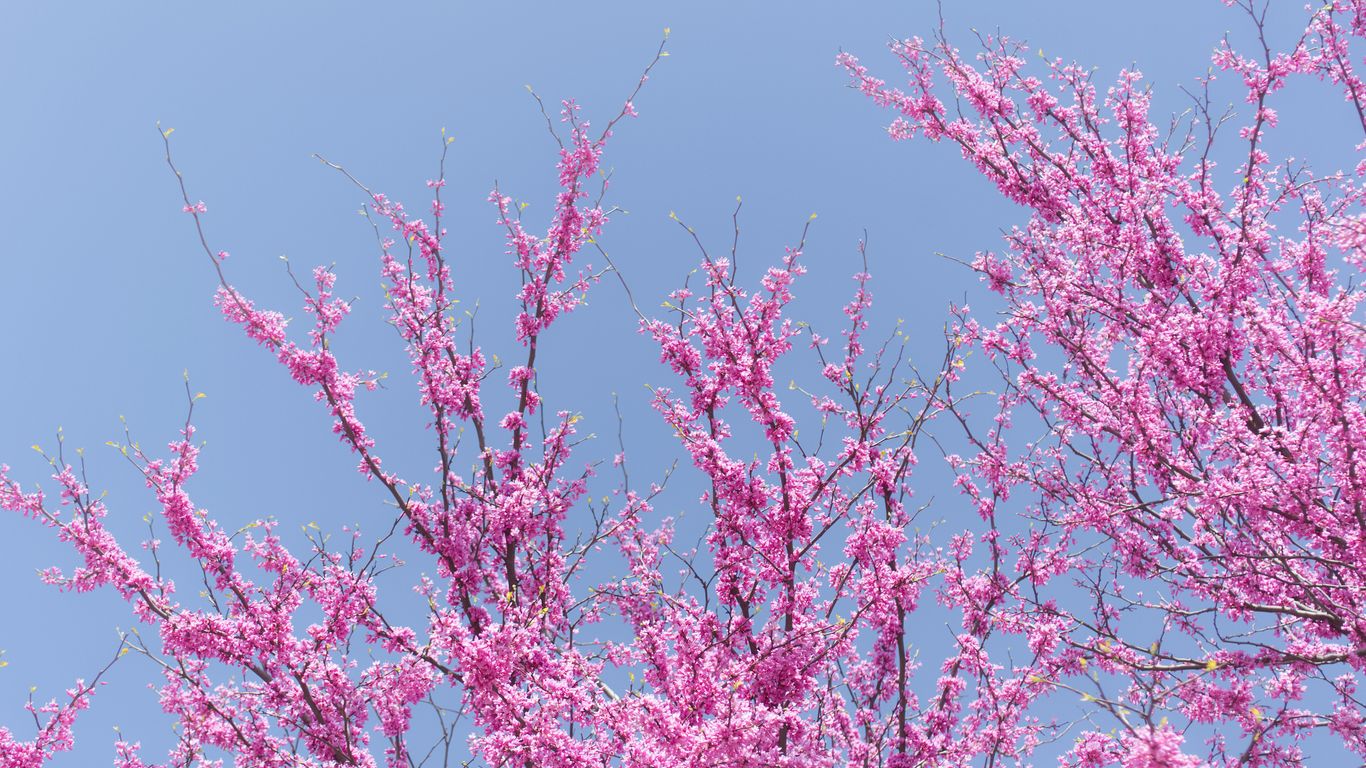
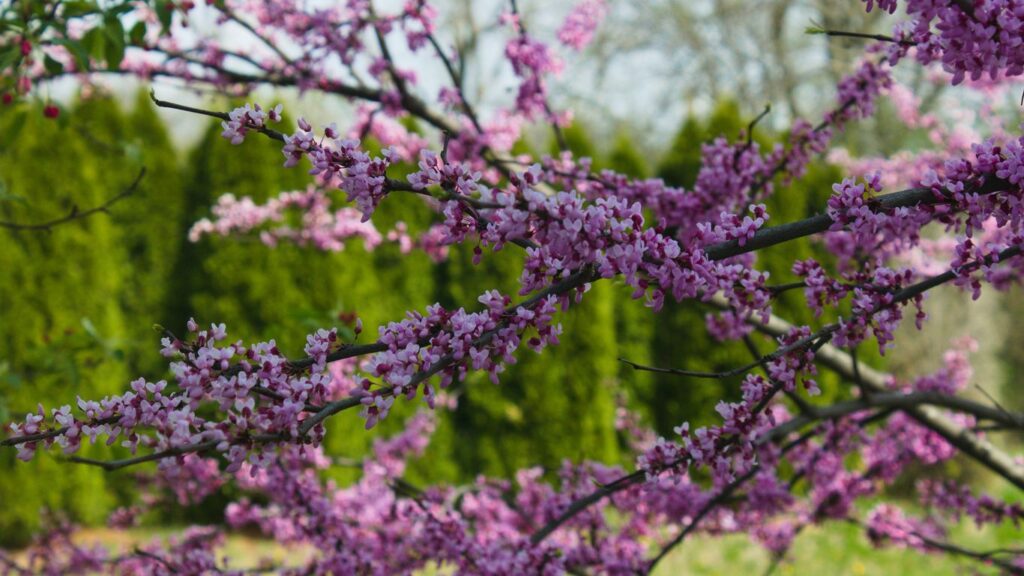
What really sets the Rising Sun apart is its foliage. When the new leaves emerge in spring, they’re this vibrant, almost marmalade-orange color. As the season goes on, they gradually change to a chartreuse green, and then finally settle into a more standard blue-green by summer. It’s like having a living art piece that shifts colors throughout the year. And don’t forget the flowers! Like other redbuds, it puts on a beautiful display of pinkish-purple blooms in early spring, usually appearing on bare branches before the leaves even think about showing up. This bloom period typically lasts a couple of weeks, giving you a nice splash of color right when the garden is waking up. The flowers usually show up a week or two before the leaves fully emerge, with the peak bloom lasting just a few days. It’s a pretty neat show.
Here’s a quick rundown of what makes this tree special:
- Unique Foliage: Starts orange, turns chartreuse, then blue-green. It’s a color show all season long.
- Compact Size: Perfect for smaller spaces, patios, or as an accent plant.
- Spring Blooms: Delicate pinkish-purple flowers appear before the leaves.
- Hardy Nature: Generally adaptable and relatively low-maintenance once established.
This tree is native to North America and is a variety of the Eastern Redbud. It’s a deciduous tree, meaning it loses its leaves in the fall, but before it does, the foliage can offer some nice golden tones. It’s also a nitrogen-fixing tree, which is a fancy way of saying it helps improve the soil it grows in, so you often don’t need to worry about fertilizing it. You can find more details on Eastern Redbud varieties if you’re curious about others.
Sun, Soil, and Water Requirements
Alright, let’s talk about what makes a Rising Sun Redbud happy. These trees are pretty adaptable, which is part of why they’re so popular, but giving them the right conditions really makes a difference.
Sunlight:
These trees aren’t super picky about light. They’ll grow in full sun or even partial shade. However, if you want the most flowers, aim for a spot that gets at least 6 hours of direct sunlight each day. In really hot climates, a little afternoon shade might be a good idea to prevent the leaves from getting stressed and curling up. If you notice that happening, just make sure it’s getting enough water.
Soil:
Redbuds aren’t fussy about soil type. They can handle a variety of conditions, even less-than-ideal ones. What they really prefer is soil that’s moist but also drains well. You don’t want your tree sitting in a puddle; soggy soil is a big no-no and can cause problems. Most average garden soils work just fine, usually falling in the slightly acidic to slightly alkaline range (around pH 6.5 to 8.0). If you’re unsure about your soil, you can get a simple test kit. If your soil is too heavy clay or too sandy, mixing in some compost or other organic matter can help improve drainage and moisture retention.
Watering:
When you first plant your Rising Sun Redbud, give it a good drink. For the first year, try to water it a couple of times a week, especially if it’s dry out. Once it’s established, it’s pretty drought-tolerant. You’ll only need to water it when the top few inches of soil feel dry to the touch. Remember, they don’t like wet feet, so avoid overwatering. Adding a layer of mulch around the base (but not touching the trunk!) helps keep the soil moist and protects the roots, especially during dry spells.
How to Plant a Rising Sun Redbud Tree Successfully
Alright, so you’ve got your Rising Sun Redbud, and now it’s time to get it in the ground. It’s not super complicated, but doing it right makes a big difference for your tree down the road. Think of it like giving your new tree the best possible start.
First off, when you plant matters. For most of us, early spring is the sweet spot, right after the last frost has done its thing. If you’re in a warmer area, like zone eight or warmer, you’ve got a bit more wiggle room and can plant about six weeks before the first frost hits in the fall. This gives the tree time to settle in before winter.
When you’re ready to dig, aim for a hole that’s at least two to three times wider than the tree’s root ball, but not much deeper. You want the top of the root ball, where the trunk meets the roots (that’s the root crown), to be just about level with the ground, or maybe a tiny bit higher. Don’t bury that part!
Before you even get the tree out of its pot, take a look at your soil. Redbuds are pretty forgiving, but they really don’t like sitting in soggy ground. If your soil is heavy clay or drains super fast, you might want to mix in some compost or other organic matter to help it out. A quick drainage test is a good idea if you’re not sure. Just dig a hole, fill it with water, let it drain, then fill it again and time how long it takes to drain. If it takes more than a few hours, you might have drainage issues.
Once you’ve got the hole prepped, gently take your redbud out of its container. Sometimes they stick, so a little squeeze or tap on the pot usually helps. If the roots look like they’re all wound up in a tight ball, gently tease them apart a bit, especially around the edges. This encourages them to spread out into the new soil.
Here’s a quick rundown of the planting steps:
- Position the Tree: Place the redbud in the center of the hole, making sure the root crown is at the right height. You might need to add or remove some soil from the bottom of the hole to get it just right.
- Backfill and Tamp: Start filling the hole with the soil you removed. Use your hands to gently pack the soil around the root ball as you go. This gets rid of air pockets. Fill it about halfway, then give it a good watering. This helps settle the soil. Finish filling the hole, but again, don’t pile soil on top of the root ball.
- Water Deeply: Give your newly planted tree a really good soak. You want the water to reach down as deep as the root ball is tall.
- Mulch it Up: Spread a layer of mulch, like shredded bark or pine straw, around the base of the tree. Keep it a few inches away from the trunk itself – you don’t want moisture trapped against the bark. Mulch helps keep the soil moist and controls weeds.
For the first year, try to water your redbud about once or twice a week, giving it a good amount each time, especially if it’s dry. Once it’s established, it’ll be much more drought-tolerant. Planting it in the right spot, with good drainage and a bit of sun, is half the battle. If you’re looking for other low-maintenance trees, the Freeman maple is also a solid choice for shade and fall color.
Common Problems and How to Avoid Them
Even though the Rising Sun Redbud is a pretty tough tree, it’s not completely immune to problems. Sometimes, things like fungal diseases can pop up, especially if the weather is damp and humid for a while. The most common one to watch out for is called Botryosphaeria canker. You’ll see it as these little sunken spots on the branches, usually brown or black. If they get big enough, they can really hurt the tree, and sometimes even spread to other plants nearby. The best way to deal with this is to keep an eye out and, if you spot any signs, use clean pruning shears to cut off the affected branches. Make sure to cut into the healthy wood, not the canker itself, and always clean your tools between cuts. Throw away all the pruned bits so the problem doesn’t spread.
Another thing that can happen is Verticillium wilt. This disease makes the leaves turn yellow and then brown, and eventually, branches can start to die off. To help prevent this, it’s a good idea to sanitize your pruning tools before you use them, especially if you’ve been working on other plants. Also, get rid of any dead branches right away. While these diseases are the main concerns, you might also see some bugs like spider mites, leaf beetles, or caterpillars. Usually, these don’t cause major damage, but it’s good to know they’re a possibility. Keeping your tree healthy with the right watering and soil conditions is your best defense against most issues. If you’re ever unsure about your soil’s drainage, it’s a good idea to test soil drainage before planting to make sure it’s not too wet, as redbuds really don’t like sitting in soggy ground.
Where to Buy Rising Sun Redbud Tree
Finding the right Rising Sun Redbud tree for your garden is pretty straightforward these days. You’ve got a few good options, really. Many local nurseries carry a decent selection of ornamental trees, and they’re often a great place to start. The folks there can usually give you some good advice specific to your area, which is always a plus.
Online retailers are also a big player now. You can find a lot of specialized nurseries that ship trees right to your door. This is super convenient, especially if you’re looking for a specific variety like the Rising Sun. Just make sure you check out reviews and shipping policies before you buy. Some places offer free shipping on orders over a certain amount, which can be a nice little saving. You can often find Rising Sun redbud trees listed with their specific growing zone information, which is helpful.
When you’re shopping, keep an eye out for a few things:
- Health of the tree: Look for good color in the leaves and no obvious signs of pests or disease.
- Size and age: Decide if you want a young sapling or a more established tree. Remember, they grow pretty quickly.
- Root system: If possible, check that the roots aren’t tightly bound in the pot.
Don’t forget to compare prices, but also consider the overall value. Sometimes paying a little more for a healthier tree from a reputable seller is worth it in the long run. You want your new tree to thrive!
Rising Sun Redbud Tree vs Other Redbud Varieties
So, you’re thinking about adding a redbud to your yard, but you’re wondering how the ‘Rising Sun’ stacks up against the other guys? It’s a good question! Redbuds are pretty neat trees, and there are definitely a few different flavors out there.
Let’s start with the classic, the Eastern Redbud (Cercis canadensis). This is the one most people picture when they hear ‘redbud’. It’s a solid tree, usually growing up to 30 feet tall and wide, and it’s hardy in zones 5-9. It gives you those lovely pink flowers in spring and then the familiar heart-shaped leaves. It’s a reliable performer, for sure.
Then you’ve got varieties like ‘Forest Pansy’. This one is known for its really deep purple foliage, which is pretty striking. It also gets to about 30 feet tall and wide and is good for zones 6-9. The purple leaves are a big draw, though they can sometimes fade to green as the summer heat really kicks in.
If you’re looking for something a bit more exotic, there’s the Judas Tree (Cercis siliquastrum). This one is native to parts of Europe and Asia and typically stays a bit smaller, around 15-25 feet. It has these beautiful maroon flowers and leaves that start bronze and turn purplish-green. It’s hardy in zones 6-10, so it likes things a little warmer than some others.
And way out west, you might find the Western Redbud (Cercis occidentalis). This one is built for tougher conditions, hardy in zones 8-10. It’s usually a bit smaller too, 10-20 feet tall, and it’s a great choice if you’re in a warmer, drier climate.
Now, where does ‘Rising Sun’ fit in? Well, it’s a bit of a superstar in its own right. For starters, it’s a dwarf selection, usually topping out around 12 feet tall and wide. That makes it fantastic for smaller gardens or even containers where the bigger redbuds would just be too much. Its real claim to fame, though, is its foliage. Instead of the typical green, ‘Rising Sun’ starts the season with these amazing marmalade-orange new leaves. As the season progresses, they shift to a chartreuse and then finally a blue-green. It’s a real color show from spring all the way through summer. Like the Eastern Redbud, it’s also hardy in zones 5-9, giving it a good range.
Here’s a quick look:
- Eastern Redbud (Cercis canadensis): Standard size (30ft), zones 5-9, green leaves.
- ‘Forest Pansy’: Standard size (30ft), zones 6-9, purple foliage.
- Judas Tree (Cercis siliquastrum): Smaller (15-25ft), zones 6-10, maroon flowers, bronze/purple leaves.
- Western Redbud (Cercis occidentalis): Smaller (10-20ft), zones 8-10, for warmer climates.
- ‘Rising Sun’: Dwarf size (12ft), zones 5-9, unique orange-chartreuse-blue-green foliage.
So, if you want a splash of color that’s a bit different and fits into tighter spaces, ‘Rising Sun’ is definitely a contender. It’s not just another redbud; it’s got its own personality.
Frequently Asked Questions
What growing zones are best for the Rising Sun Redbud?
The Rising Sun Redbud tree does really well in growing zones 5 through 9. This means it can handle colder winters and warmer summers found in these areas.
How much sun does a Rising Sun Redbud need?
This tree loves the sun! It grows best in full sun, meaning at least 6 hours of direct sunlight each day. In very hot climates, it can also handle some shade during the hottest part of the afternoon.
What kind of soil is best for a Rising Sun Redbud?
Rising Sun Redbuds aren’t too picky about soil. They like soil that has a good balance of moisture but also drains well, so the roots don’t sit in water. They can even grow in clay soil as long as it’s not waterlogged.
How often should I water my Rising Sun Redbud?
Once your tree is established, it’s pretty good at handling dry spells. However, during long periods without rain, giving it a good deep watering once a week will help it stay healthy. Always put a few inches of mulch around the base, but keep it a little away from the trunk.
Do I need to fertilize my Rising Sun Redbud?
Not usually! Redbud trees are special because they can take nitrogen from the air and store it in their roots. This means they often don’t need extra fertilizer. If you want to give it a little boost when planting, a slow-release fertilizer in early spring is okay.
When is the best time to prune a Rising Sun Redbud?
Redbuds generally don’t need much pruning. If you do need to trim it, the best time is right after it finishes blooming in the spring. Avoid pruning in winter, as this can cut off the flowers for the next year.